NOTE: All the studies we will review are tagged with citation numbers like this: [2]
If you “click” on that red number, you will be transported to the actual study.
Many of the graphics can also be enlarged by clicking on them.
Sleepless in Seattle?

Insomnia, also known as sleep deprivation, is so common that there’s a whole sub-genre of movies dedicated to sleeplessness. Staying up late to watch a movie can be fun... but lying wide-awake and helpless is another thing entirely.
 |
According to the Center for Sleep Disorders at the
National Institutes of Health (NIH), 30–40% of adults experience some symptoms of insomnia in any given year, and about 10–15 percent of adults suffer from chronic insomnia.
[1]
Insomnia plays havoc with life, because it saps your energy levels, depresses your mood and health, decreases your work performance, and ravages the quality of life.
[2]
This issue of HealthQuest will discuss the preventable causes of insomnia (including stress, anxiety, and over-stimulation) and will review those Shaklee products that have a proven track record for encouraging relaxation, stress-reduction, and improved sleeping patterns.
What Is Insomnia?
Insomnia is a persistent disorder that makes it hard to fall asleep, stay asleep, or both, despite the opportunity for adequate sleep.
[3]
Insomnia commonly leads to daytime sleepiness, lethargy and a general feeling of being unwell, both mentally and physically.
Sleep-loss can also cause serious life complications, including:
- Decreased Performance and Alertness
- Memory and Cognitive Impairment
- Poor Quality of Life
- Occupational Injury
- Relationship Stress
- Automobile Injuries
[3]
The National Highway Traffic Safety Administration estimates that drowsy driving causes:
• 100,000 automobile crashes,
• 71,000 injuries, and
• 1,550 fatalities every year.
Insomnia is multifactorial, including physical factors such as the medicines we take, or the foods we eat and drink, and may often include psychological factors like stress or emotional loss.
There may also be an underlying medical condition which may
lead to chronic insomnia, such as:
• chronic pain syndromes,
• congestive heart failure,
• acid-reflux (GERD),
• sleep apnea,
• asthma,
• chronic obstructive pulmonary disease (COPD),
• Parkinson's and Alzheimer's diseases, and
• hyperthyroidism.
Short-term insomnia is often caused by recent events and unhappy experiences.
[4]
Another cause of insomnia is over-stimulation of the senses.
Researchers from the University of Helsinki report that media technology in the bedroom disrupts the sleep patterns of children.
They found that children with TVs, computers, video games, DVD players or mobile phones in their bedrooms slept considerably less than children without those devices in their bedrooms.
[5],
[6]
We also know that caffeine can disrupt our sleep patterns.
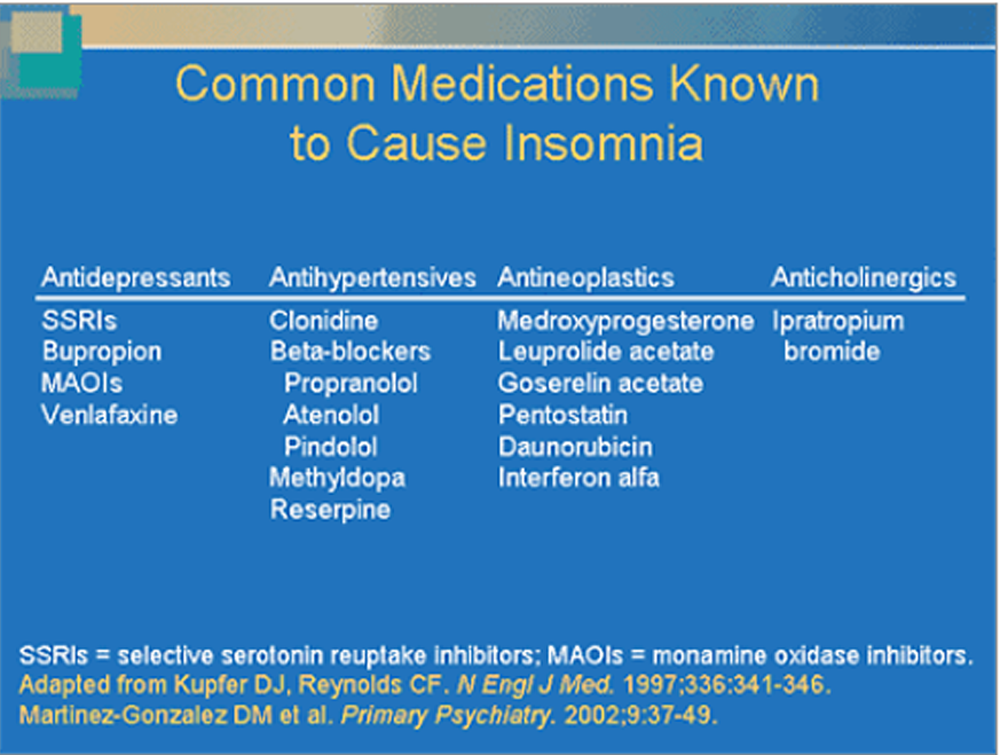
However, the “Ask the Pharmacist” website provides a LONG list of over-the-counter and prescription medications can ALSO cause insomnia:
 |
|
- Cold remedies,
- corticosteroids,
- statins,
- alpha blockers,
- SSRI antidepressants,
- ACE inhibitors,
- and a long list of other drugs.
[7]
|
From a medical standpoint, there are two types of insomnia:
Primary insomnia
means that a person’s sleep problem is not directly caused by another health condition or problem.
Secondary insomnia means that a person is having sleep issues because of another health condition
such as asthma, depression, arthritis, cancer, or heartburn;
or a medication they are taking;
or a substance they are using (like alcohol or caffeine).
The hormonal swings of menopause may also disrupt sleep cycles. The newest addition to the list of causes is sleep apnea, first written about in 1965 by French and German scientists.
[8]
PubMed currently lists over 58,000 articles just on sleep apnea.
[9]
Cottage Industry or Big Business?
A leading independent market research organization released a 145-page study entitled:
“The U.S. Sleep Market”. Based on statistics available to them through 2007, they found that:
“Of a total population of 305 million Americans, 58% are estimated to experience insomnia symptoms or sleep disorders. Companies across America are trying to sell us a perfect night's sleep with sleeping pills, premium mattresses, high tech pillows, white noise machines, sleep masks, aromatherapy, and more.
Sleep disorder diagnosis and sleep hygiene has fast become a $23.7 billion a year industry.”
[10]
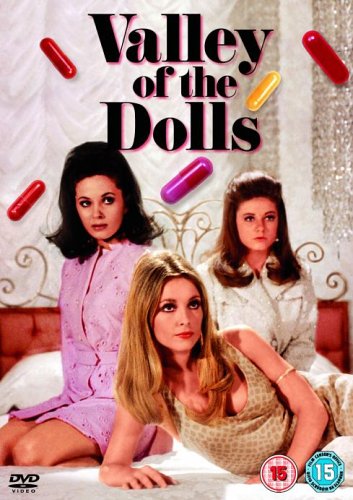
Anyone who remembers the death of Marilyn Monroe or the best-selling 1966 novel “Valley of the Dolls”
[11]
is familiar with the down-side to drugs specially designed to “help us sleep”.
Although barbiturates eventually fell out of favor, the new generation of “sleep drugs” all have negative impact on the kidney and liver, and the list of other side effects is downright terrifying.
[12]
Why don't we look at some conservative and safer things to try first. After all, “heroic medicine” is always there, waiting in the wings, if the natural approach isn’t sufficient.
The Natural Approach to Relaxation and Sleep
Natural home remedies include drinking warm milk an hour before bedtime. Herbal teas containing
chamomile are also helpful (my personal favorite is Celestial Seasonings Sleepytime Herbal Tea).
 |
As was suggested by those scientists in Helsinki,
[5],
[6]
over stimulation with today’s frantic media is also disruptive of the Spirit of Sleep.
Just imagine trying to fall asleep right after
watching an episode of 24.
TV series, movies, and most popular video games are designed to make us anxious about our favorite hero or heroine, and it takes hours to clear those anxiety-producing chemicals from our brains and blood stream.
A good rule of thumb for the neo-insomniac is to shut off the TV and other electronic stimuli at least one hour (and preferably 2) before your bed time.
If you fell asleep while reading in school, you can probably do the same at home.
Also, classes on meditation,
[14]
yoga,
[15]
or a variety of other relaxation techniques are often available for free, or at low-cost in almost any community, large or small. It’s no longer just a hippie phenomenon, because these approaches work, and there is significant research to support their beneficial effects.
Now let’s look at what Shaklee has to offer.
Shaklee Sleep Solutions
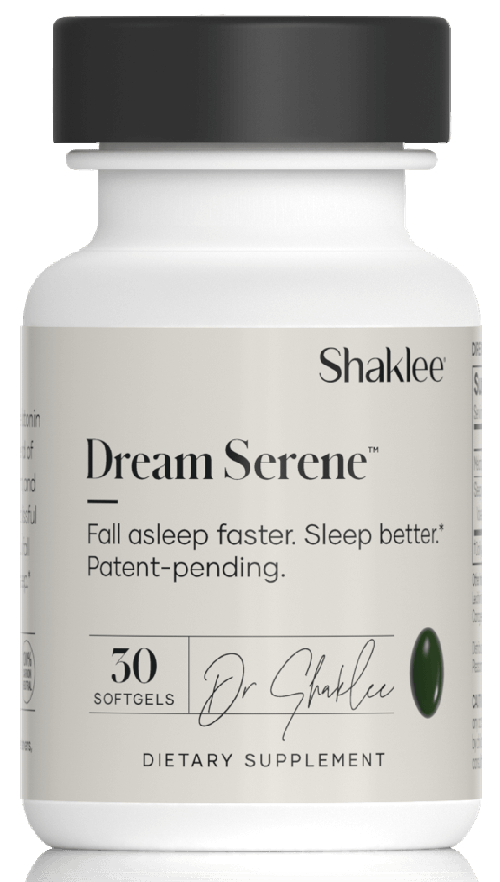
Dream Serene
As we reviewed in a previous newsletter on stress, one of the major contributors to the decline in physical and mental health status is because stress disrupts our sleeping pattern(s). That has contributed to the growing popularity of sleep aids over the last few decades.
 |
The big winner of the Snooze Sweepstakes is melatonin.
A quick Google for that term gets a shocking 109 million hits, but fortunately FDA surveillance following covid has had a positive impact on Google, because the first page points to many reliable medical sources, salted in between all the “Sponsored products” that are for sale.
Disrupted sleeping patterns are such an important health-related topic that the British Journal of Pharmacology devoted a whole issue to the importance of melatonin for human health (that issue features 9 different articles) on melatonin.
[17]
The article of interest from this issue explains that: “In mammals, a central circadian clock, located in [a portion of] the hypothalamus, tunes [our] innate circadian rhythms to the 24-hour light-dark cycle.”
[18]
When it starts to get dark, our brain begins to produce melatonin, and several hours later we should start to become sleepy. That process worked perfectly until sometime during the 20th Century, when universal electrical lighting lit our homes and streets, so that we could shop all night, or watch TV, or later on surf the web all night.
Their article
[18]
goes on to sum up all the melatonin studies about sleeping disorders that are associated with diminished or misaligned melatonin rhythms. That includes circadian rhythm-related sleep disorders, such as jet lag, shift-worker insomnia, and insomnia in children with neurodevelopmental disorders, and even includes their impact on Alzheimer's disease.
A 2017 study by researchers from the University of Guleph in Ontario, Canada, tested 31 different melatonin supplements created by 16 different manufacturers. The products were all purchased from local groceries and drugstores, and included a range of formulations, including liquid drops, gel capsules, and chewable tablets.
[19]
The test results were all over the place, with actual melatonin content ranging from 83% less to 478% more than the amount listed on the label, and the variability within an individual product was also very high; some products differed by as much as 465% in their melatonin content, from one package to the next of the same product! And worst of all, 26 percent of the 31 tested supplements contained serotonin, a hormone that can produce harmful effects, even at relatively low levels.
[20]
This is why Shaklee created the new Dream Serene. From their extensive review of the literature, they chose to create a sleep aid that didn't rely solely on melatonin.
According to the National Center for Complementary and Integrative Health, the recommended safe melatonin dose for adults is somewhere between 0.5 and 5 milligrams of melatonin.
[21]
Shaklee chose to use the conservative dose of 2 mg, while coupling it with a proprietary blend of valerian root extract, lemon balm leaf extract, and L-theanine, to promote safe and restful sleep.
[22]
The onset of menopause is frequently associated with sleep disruption. For that reason, Iranian researchers decided to perform a randomized clinical trial to determine whether a combination of valerian and lemon balm might improve women’s sleep patterns.
[23]
They worked with a group of 100 menopausal women 50–60 years of age. They were randomly assigned into 2 groups, one as the “intervention group” with valerian/lemon balm, and the other as the placebo (control) group.
This study is particularly noteworthy because a previous “safety study” had concluded that high doses of valerian (400–900 mg) were required to reduce sleep disorders.
However, the Iranian study succeeded while using a much lower dose (160 mg) of valerian, because they combined it with lemon balm, and their results far exceeded the earlier safety study results.
[24]
It’s very easy to see why Shaklee emulated those results to produce this new, safe and effective sleep product.
Interactions with medicines
People who are taking certain prescriptions should consult with their health care provider before using
melatonin. In particular, people with epilepsy, and those taking blood thinner medications need to be under medical supervision while taking a melatonin supplement.
[25]
Dream Serene also contains L-theanine, an amino acid found almost solely in tea plants (Camellia sinensis). A recent study by the United States Army Graduate Program, seeking ways to help posttraumatic stress disorder (PTSD) found that L-theanine reverses the effects of caffeine, thus providing relaxation effects.
[26]
The authors stated that L-theanine would be a useful addition to the treatment regimen of a variety of psychologic disorders, ranging from PTSD, to anxiety, mood disorders, and even for recovery from substance dependence.
[27]
 |
The second product we want to review is
Shaklee’s amazing
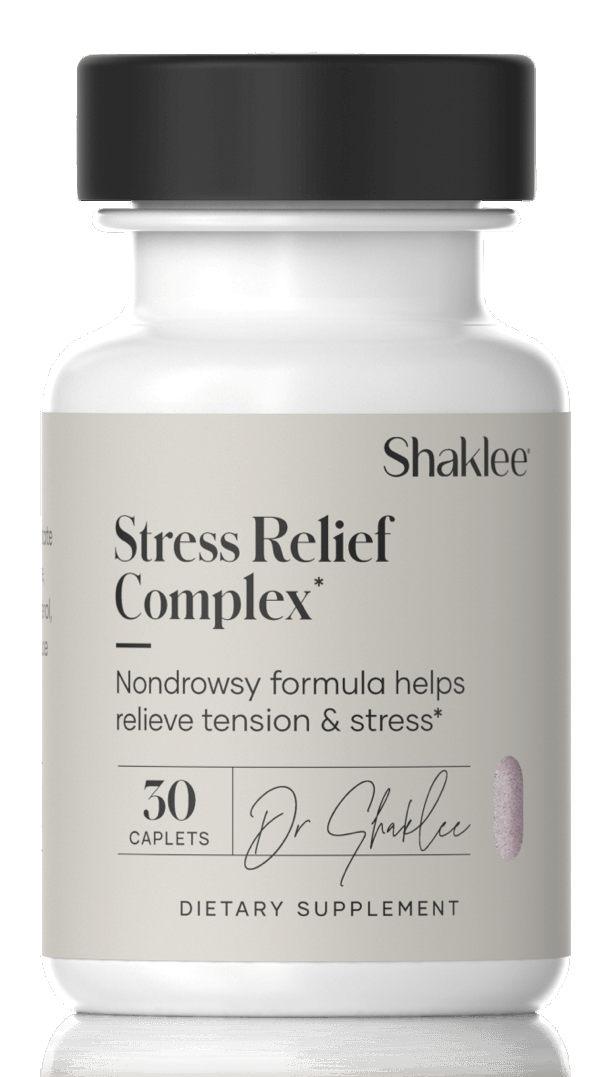
Stress Relief Complex.
SRC is designed to reduce the impact of stress on our health. It contains a unique combination of ingredients proven to reduce the stress reaction, primarily by blunting excessive cortisol release. SRC combines L-theanine, ashwagandha, beta sitosterol, and L-tyrosine in a natural, balanced formula that provides relief from tension without making you feel drowsy.
Stress Relief contains 4 important ingredients:
Ashwaganda is an adaptogenic herb referred to as “Indian ginseng”. Although it is unrelated to other ginsengs, ashwaganda appears to share many of its properties and actions. Ashwaganda has been used in Ayurvedic Medicine for more than 2,500 years. Recent studies demonstrate that ashwaganda provides support in cases of anxiety and other psychological complaints.
[28]
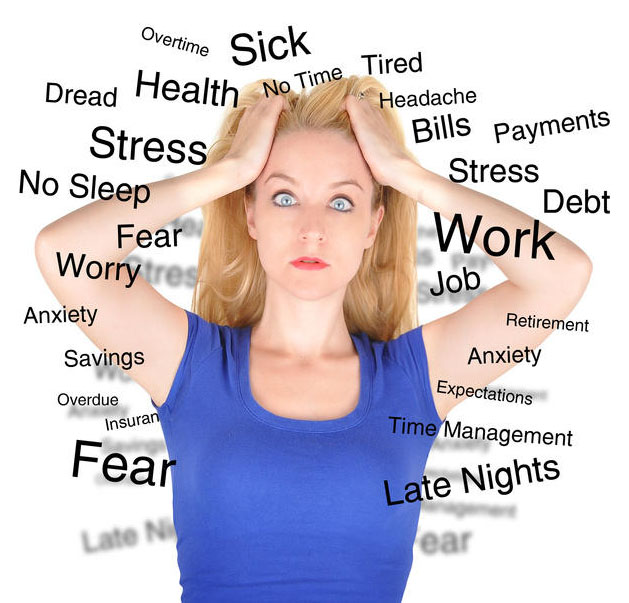 |
Scientists at the Department of Neuropsychiatry, in a large Indian hospital, enrolled 64 subjects with a history of chronic stress into a double-blind, randomized, placebo-controlled trial. During the trial, they measured serum cortisol levels and assessed patient scores on standardized stress-assessment questionnaires. As the trial progressed, the patients treated with ashwagandha root extract exhibited a significant reduction in scores on all the stress-assessment scales, and their serum cortisol levels were also substantially reduced.
[29]
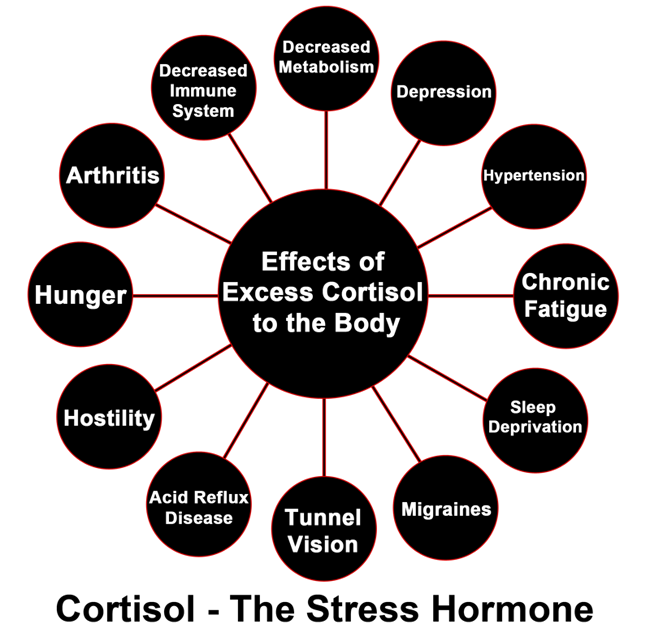
This is a big deal, because prolonged elevated cortisol levels slow healing, depress cell regeneration, and co-opt many of the nutrients we require to produce hormones.
It also impairs digestion, metabolism, mental function, and weakens the immune system.
[30]
Prolonged cortisol release is devastating.
 |
Beta-sitosterol is a natural plant sterol that also helps to reduce cortisol levels. In a study with marathon runners in South Africa, the runners who received the “active” capsules experienced significant reductions in cortisol levels, suffered less inflammatory responses, and were less immune-suppressed during the post-marathon recovery period, compared with control participants.
[32]
Earlier studies also showed that it decreased cholesterol absorption by 43 per cent in a sample of nine adults.
[33]
L-Tyrosine is also very important for the body during stressful conditions. L- Tyrosine acts primarily as a mood elevator and regulator. A lack of L-Tyrosine can lead to a deficiency of important brain neurochemicals, leading to fatigue and depression. Most of the research supporting tyrosine’s ability to blunt stress originated in research conducted by the US military about dealing effectively with battle stress.
[34],
[35],
[36]
L-theanine is another amino acid found almost solely in tea plants (Camellia sinensis). A brilliant new Chinese medical study demonstrated how chronic stress produces cognitive impairment in mice, and that L-theanine treatment rapidly reversed both the cognitive impairment and the oxidative damage induced by that stress. It also reversed the abnormal cortisol levels, and reduced catecholamine levels in their brains and blood serum.
[37]
It’s also been shown to reduce anxiety and blood-pressure in high-stress-response adults.
[38]
There are numerous pseudo anti-stress products available in health food stores, which contain one or another of these 4 amazing compounds. Shaklee has the only product available that contains all 4 of them, in significant clinical dosages. It’s also the only successful stress product available that does not make you drowsy.
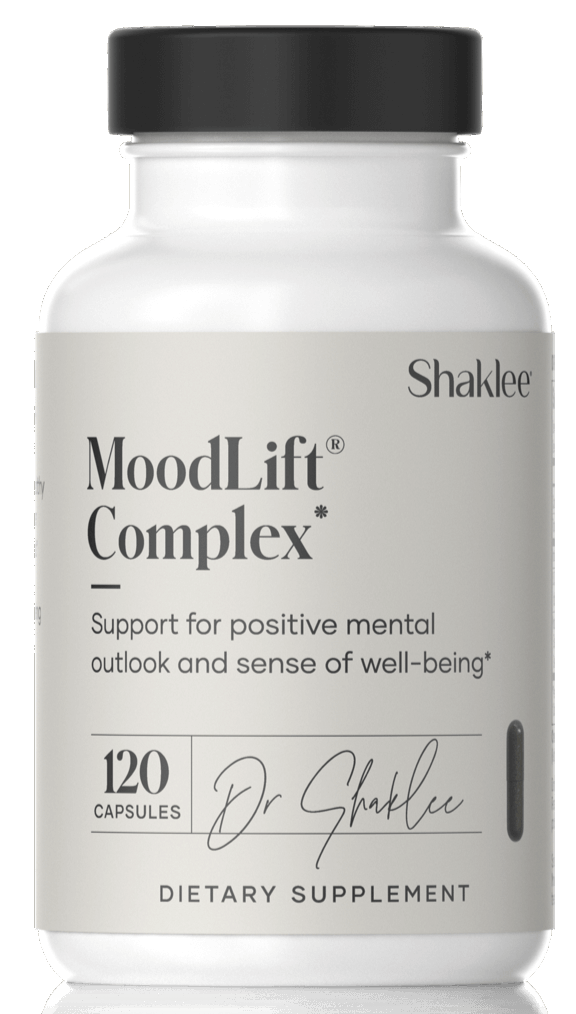 |
Additionally, lack of sleep, combined with daily stress, can wear down your spirit, leading to symptoms of depression.
This is where Shaklee’s
Moodlift Complex can come to the rescue. Moodlift contains St. John’s wort and inositol.
Although pro-drug advocates (Prozak) tried to disavow St. John’s wort as a natural first stop for mild to moderate depression,
[31]
the authors cheated (April 18, 2001 issue of JAMA) by only providing it to individuals with major depression, when all the previous studies had shown it to be helpful for mild to moderate depression.
[39]
Naturally, the media ate it up, claiming that St. John’s wort wasn’t effective. Considering that Prozak sales topped $2.4 billion in 2001, one has to wonder whether those authors were consultants for Eli Lilly, the manufacturer of that “Golden Goose” prescription.
Inositol is currently being used to treat diabetic nerve pain, panic disorder, insomnia, depression, and the side effects of treatment with lithium.
[40]
Moodlift is the natural (and safe!) first choice for dealing with anxiety and mild depression, before risking the notorious side-effects of anti-depression drugs.
Especially for Women
 |
As we reviewed earlier, one of the many serious complaints of menopause is sleep disruption. This is also true of
premenstrual syndrome.
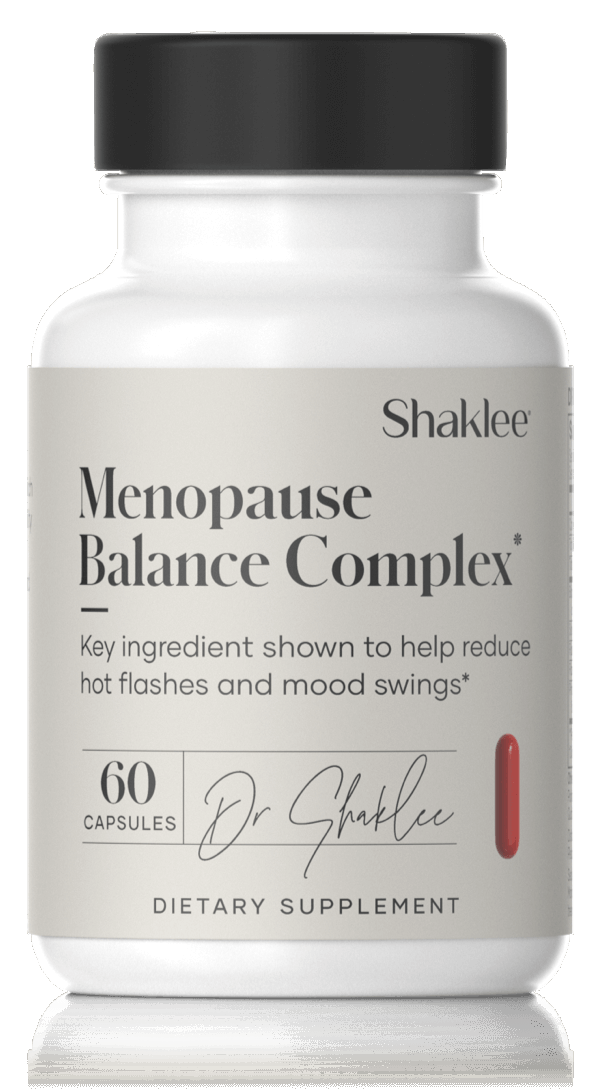
When this is the case, Shaklee’s
Menopause Balance Complex can really help.
MBC, especially when combined with Shaklee’s
GLA Complex, can provide hormonal balance to help eliminate or reduce many of the most unpleasant symptoms.
MBC is specifically designed to create hormonal balance, helping to reduce hot flashes, mood swings and sleeplessness.
MBC contains Black Cohosh (Cimicifuga racemosa)
[43],
[44]
and the soy isoflavones genistein and daidzein
[45],
[46],
which both provide powerful estrogenic protection, helping to reduce menopausal symptoms, without any of the risks associated with hormone therapies.
MBC also contains the patented PhytoFem Blend, a unique combination of Dong Quai.
[47],
[48]
Red Clover
[49],
and Licorice root
[50]
to enhance symptom relief.
MBC is the first product on the market that combined all five of the most effective natural remedies recommended by the North American Menopause Society.
[51]
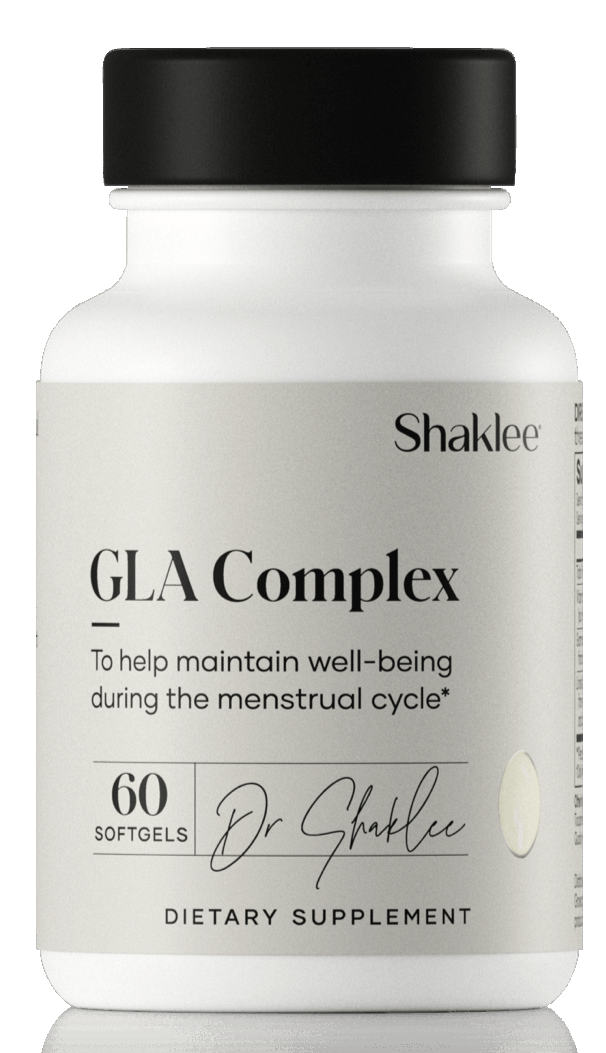 |
Shaklee’s
GLA Complex is sourced from Canadian-grown borage seed (Borago officinalis). This small flowering herb, grown in Saskatchewan under carefully controlled farming conditions, is raised 100% pesticide free. The seeds are then harvested and shipped to a modern edible oil–processing facility near Saskatoon, where they’re cold pressed and filtered to yield the GLA-rich borage oil. No solvents are used to extract the oil from the seeds; and no chemicals are used to alter the oil that’s produced.
[52]
GLA (gamma-linolenic acid) is an omega-6 fatty acid that our bodies use to form
prostaglandins, a potent, hormone-like substances that helps the body to regulate many normal bodily functions such as blood thickness, skin and joint health, cholesterol levels, dilation and constriction of blood vessels, inflammation, and more.
[53]
While GLA is mostly known because it’s helpful to women in maintaining their well-being during the menstrual cycle, it's also associated with numerous other health benefits for both men and women.
[53]
Shaklee chose borage seed oil as the perfect source of GLA because it has twice the concentration of GLA than does evening primrose oil, which means that less oil (and fewer calories) are required to provide an effective daily dose.
When I first considered insomnia as a topic for a newsletter, I had no idea what a serious health concern it was. That’s probably because I sleep like a rock.
However, the more I read about insomnia, the more alarmed I became. Reviewing some of these less-frequently mentioned Shaklee products also re-ignited my respect for Shaklee.
While other companies stoop to using synthetic ingredients, or dangerous and toxic solvents to hold down their production costs, Shaklee always takes the high road.
They start by first reviewing all the scientific literature relating to a particular health problem, or a particular ingredient they are considering, and then they invest whatever amount of time and effort is required to create a pure and natural solution. That is the foundation of Shaklee excellence, and is why their products consistently deliver on their promise.
|
|
Your Shaklee
Independent
Distributor

Girnun and Associates
Merle Z. Girnun
Weston, FL
(954) 224-5658
My Shaklee Website

Member ID: FE26787
 Please e-mail me
I am happy to help!
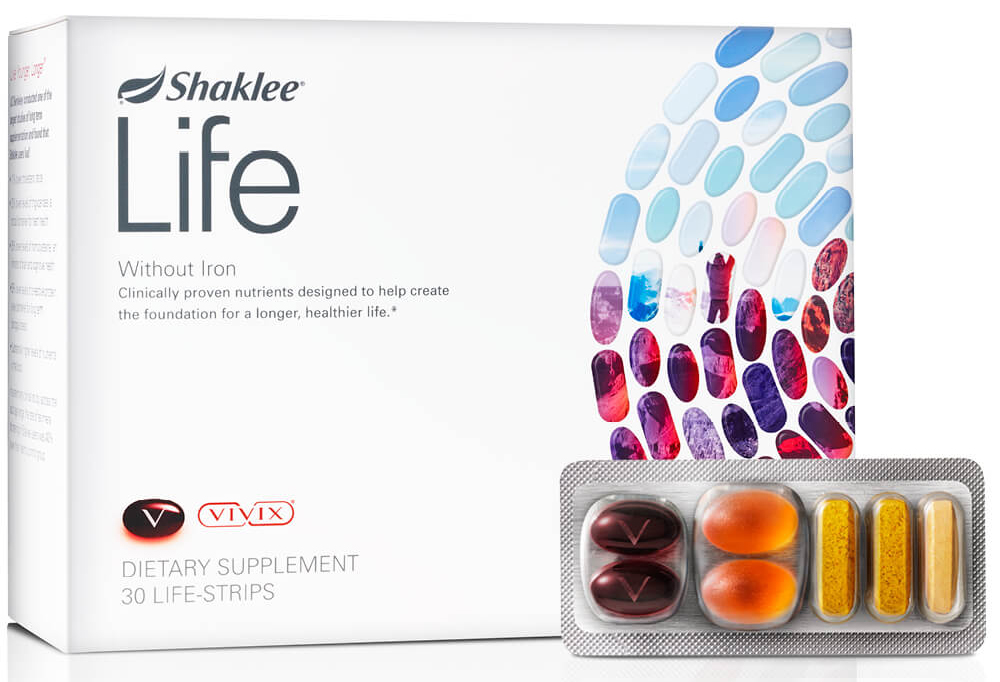
Shaklee Life-Strip
– and –
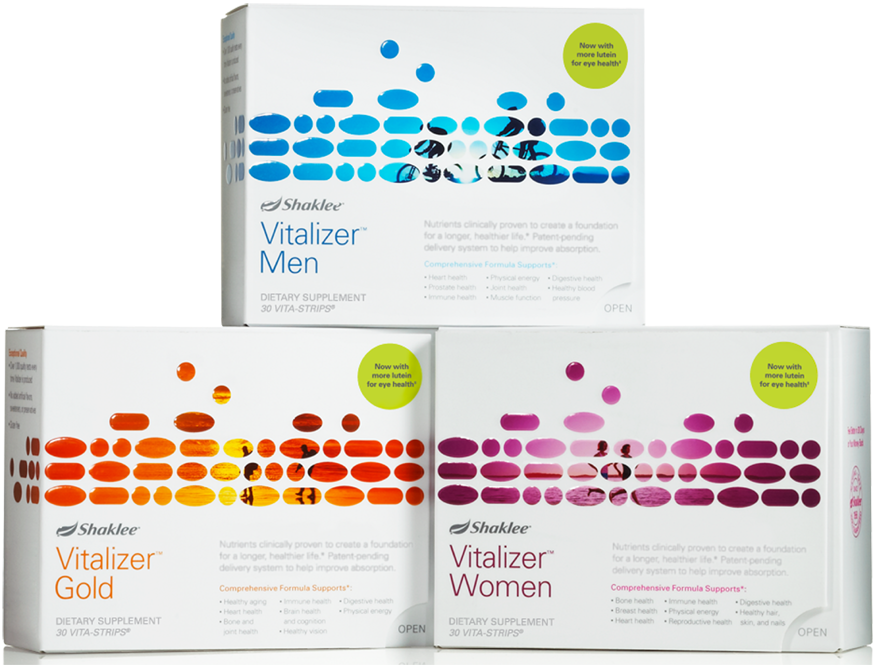
Shaklee Vitalizer
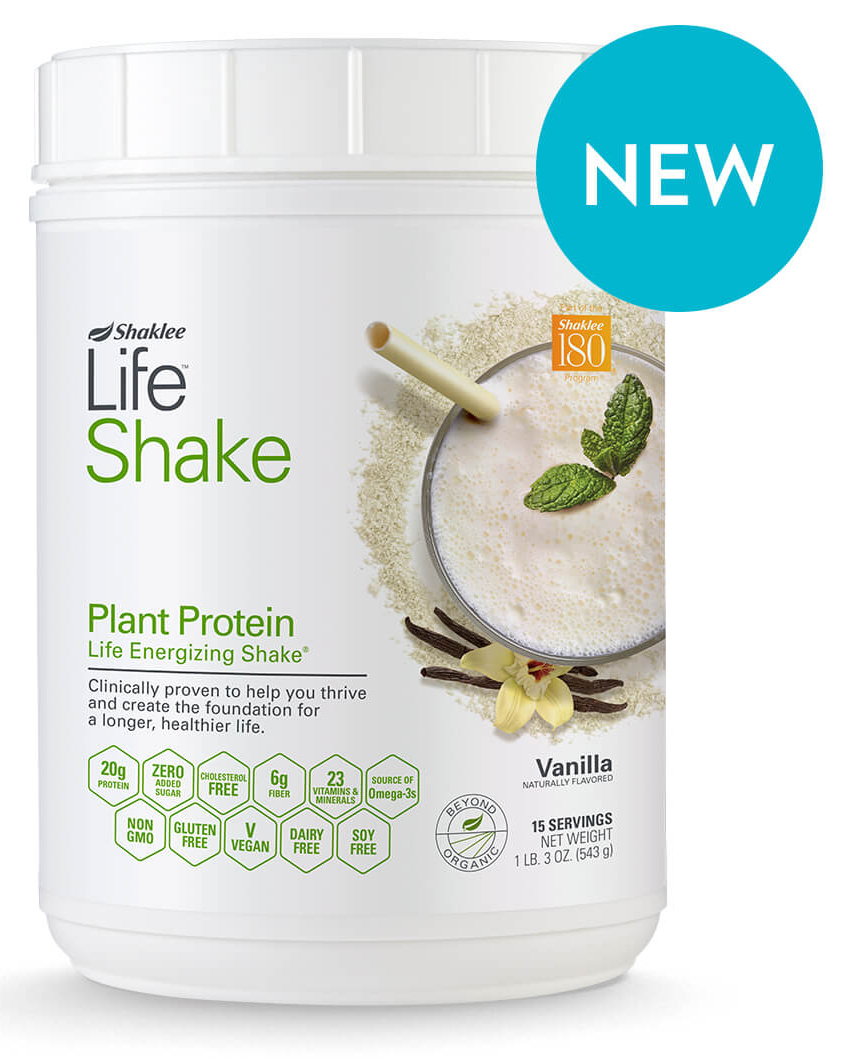
Shaklee Protein
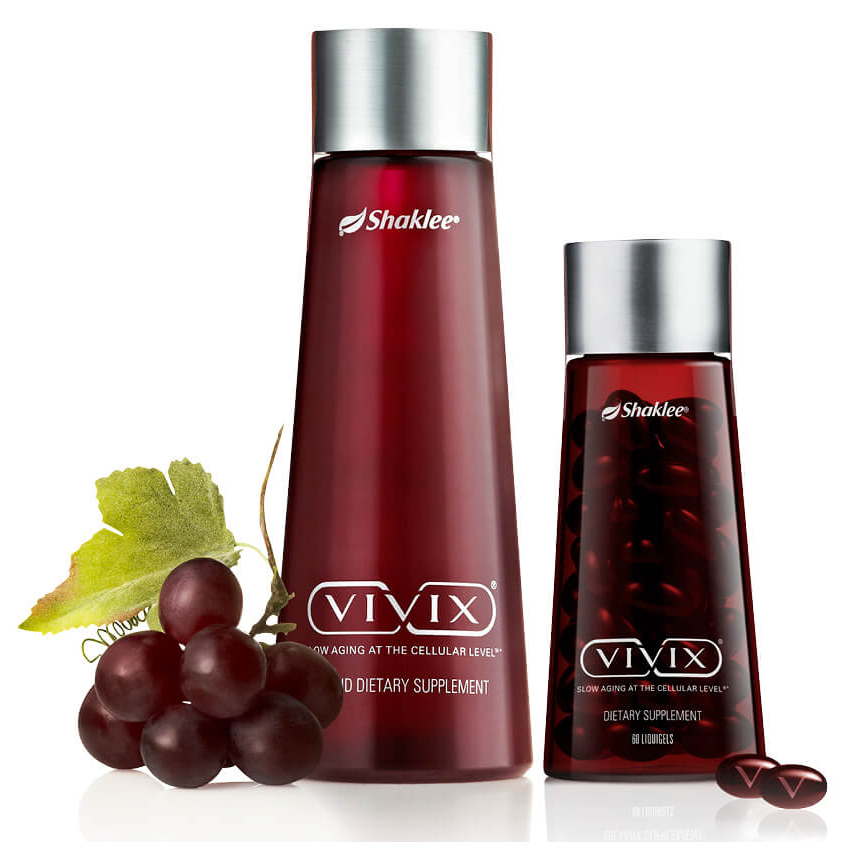
Shaklee Vivix
Your Shaklee
Independent
Distributor
Girnun and Associates
Merle Z. Girnun
Weston, FL
(954) 224-5658
My Shaklee Website
Member ID: FE26787
Please e-mail me
I am happy to help!
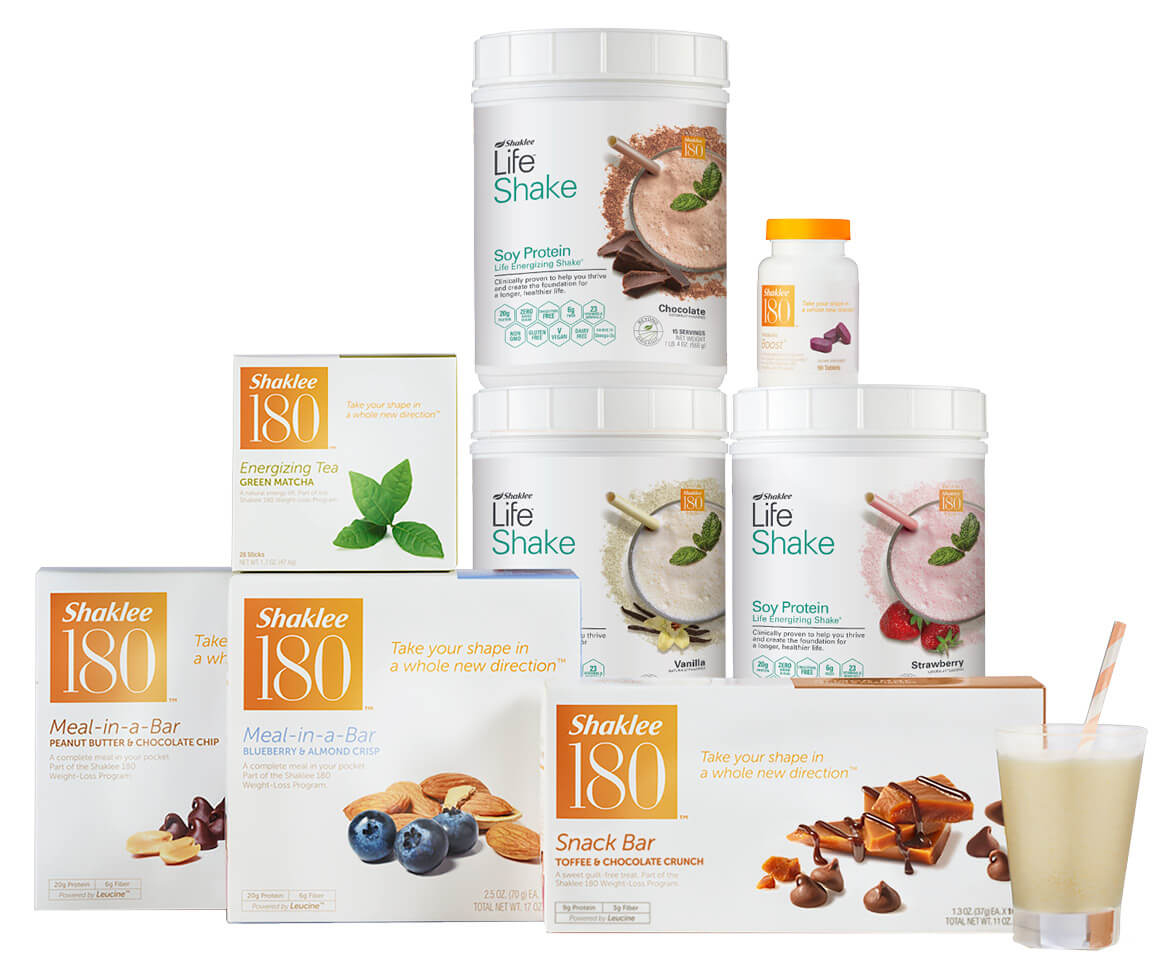
Shaklee 180
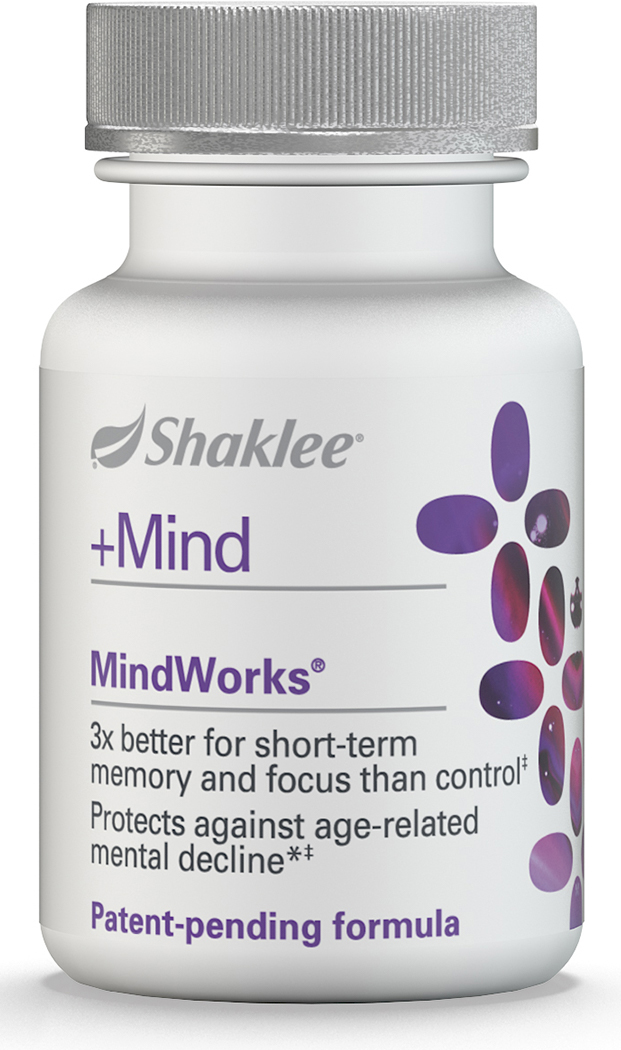
Brain Health
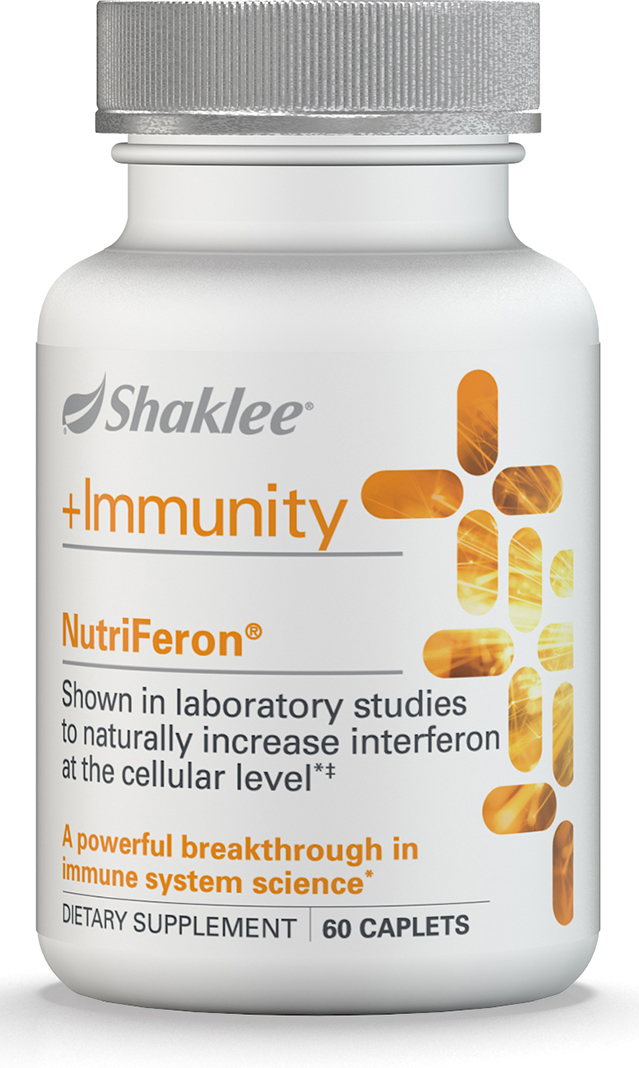
Shaklee Immunity
Your Shaklee
Independent
Distributor
Girnun and Associates
Merle Z. Girnun
Weston, FL
(954) 224-5658
My Shaklee Website
Member ID: FE26787
Please e-mail me
I am happy to help!
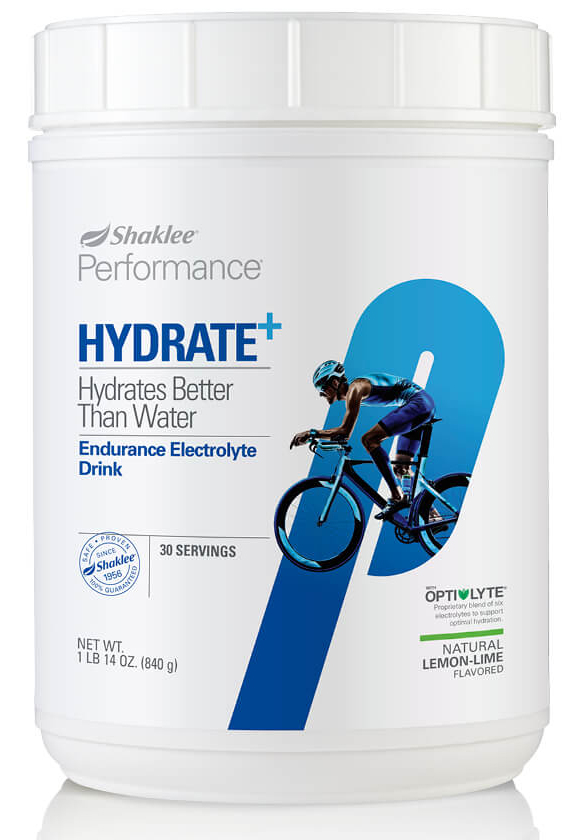
Shaklee Sports
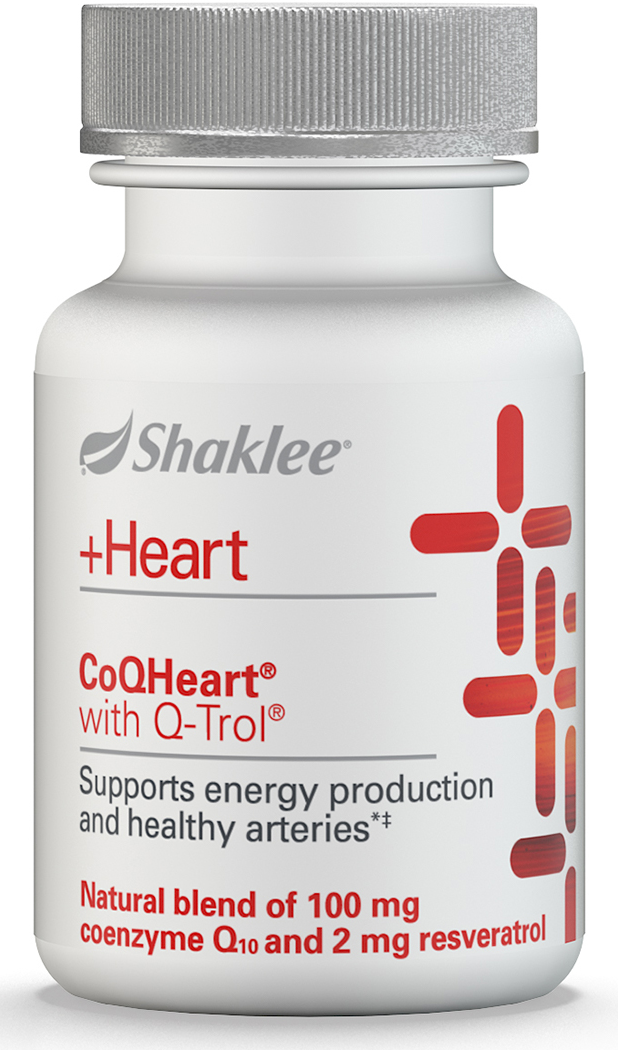
Heart Health
Digestive Health
Your Shaklee
Independent
Distributor
Girnun and Associates
Merle Z. Girnun
Weston, FL
(954) 224-5658
My Shaklee Website
Member ID: FE26787
Please e-mail me
I am happy to help!
Healthy Beauty
Healthy Home

Healthy Kitchen

|