NOTE: All the studies we will review are tagged with citation numbers like this: [2]
If you “click” on that red number, you will be transported to the actual study.
Many of the graphics can also be enlarged by clicking on them.
Shaklee and the Environment
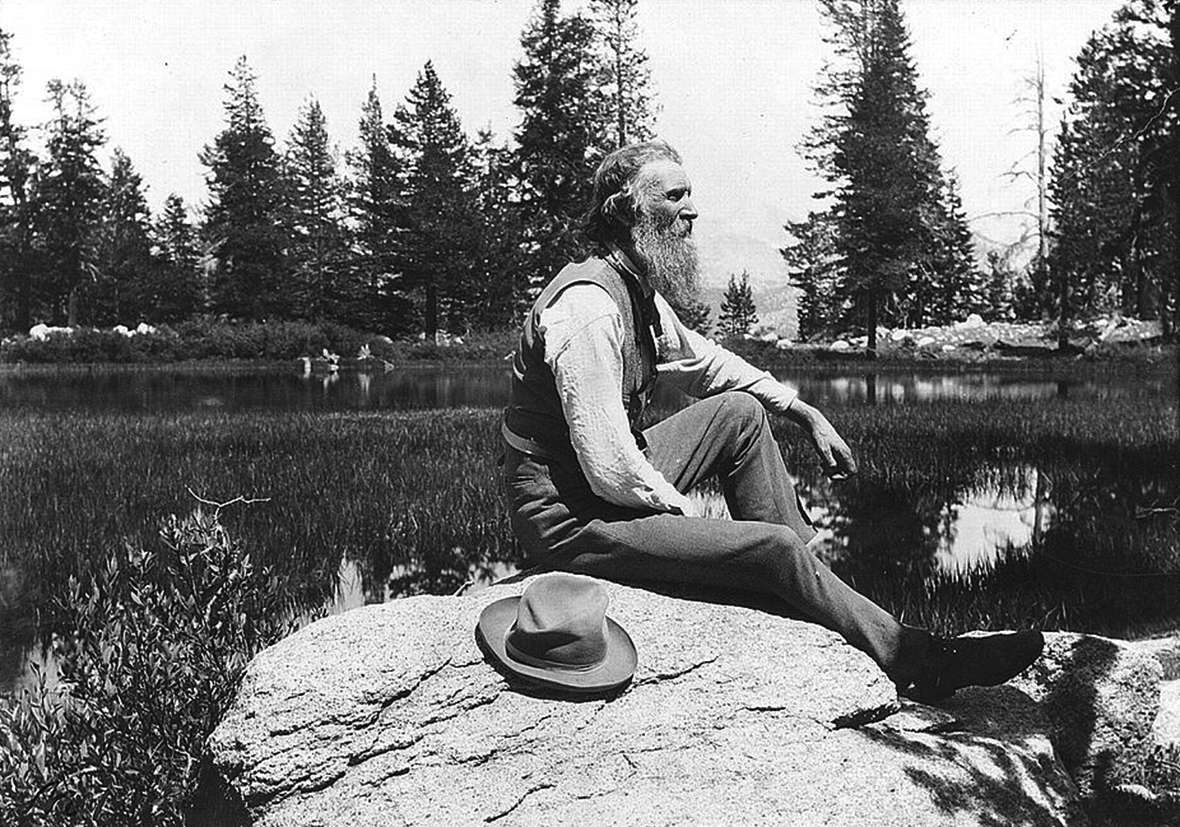
John Muir at Yellowstone
The Environmental Movement has deep roots in our country. John Muir, founder of the Sierra Club, was instrumental in the creation of the world's first National Park at Yellowstone in 1872. Because of resistance from commercial interests, it took him another 22 years to pressure the U.S. Congress to pass the first National Parks bill in 1890.
[1]
The Environmental Movement
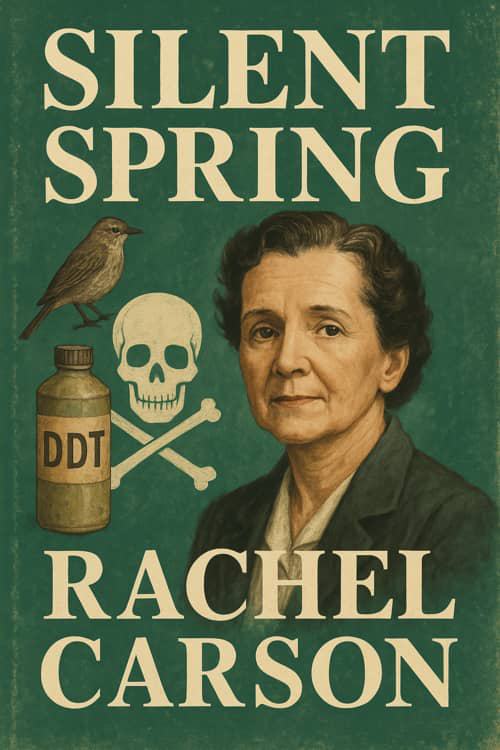
During the second half of the 20th Century, several events vividly illustrated the magnitude of human-generated damage to our environmental. [2] The book Silent Spring, published by Rachel Carson in 1962 [3], drew attention to the impact of pesticides on wildlife. In the late 60s, oil spills from beached tankers and an oil-rig spill into Santa Barbara Sound underscored the unknown costs associated with our oil exploration. A 1971 a lawsuit in Japan drew international attention to the damage caused by mercury.
In 1978, the Love Canal tragedy made headlines, emphasizing that buried toxic waste was also a ticking time bomb. The Superfund was established by the Congress in 1980 to dispose toxic waste, wherever it was discovered, but sadly, these chemicals had already had decades to seep into the food chain and water supply.
[4],
The Earth Day Movement
The first Earth Day
In 1969, Senator Gaylord Nelson (D) of Wisconsin decided to harness the energy of the student movement to increase public awareness of air and water pollution. He proposed a national “environmental teach-in” to the national media, and recruited a conservation-minded Republican Congressman, to serve as his co-chair. Together, they assembled a staff of 85 to promote educational events all across the country.
[5]
The first Earth Day was a unique political accomplishment, enrolling support from both sides of the aisles of Congress, as well as from both city slickers and farmers, and from tycoons and labor leaders.
The events of that one day led to the creation of the Environmental Protection Agency, and encouraged the passage of the Clean Air, the Clean Water, and the Endangered Species Acts.
[6]
By 1990 Earth Day had gone global, mobilizing 200 million people in 141 different countries, raising environmental issues onto the world stage.
It also paved the way for the United Nations Earth Summit of 1992, and the Kyoto Greenhouse Gas Protocol of 1997.
[7]
Shaklee Took a Stand
Dr. Shaklee received his chiropractic training from
Dr. B. J. Palmer of Davenport, Iowa.
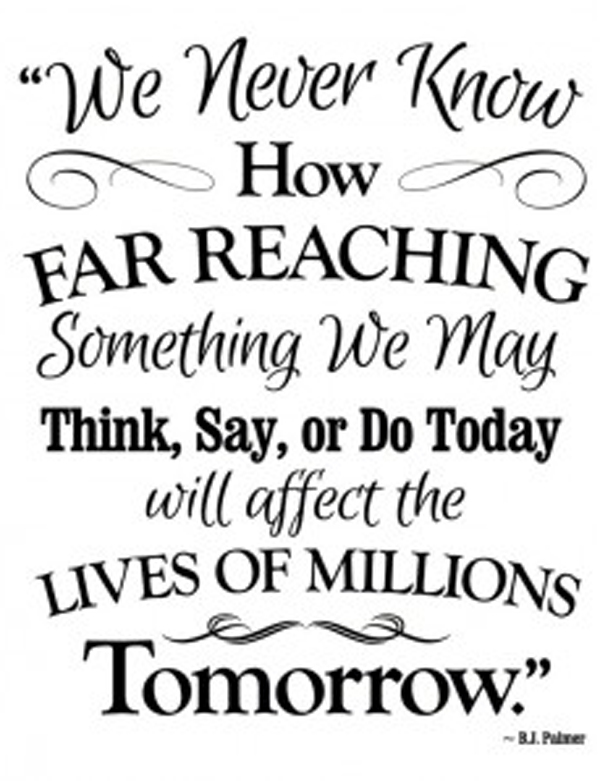
He took BJ’s natural-healing philosophies to heart, in particular the following quote:
After starting his business in 1956, he set an example for the “Save the Earth” movement, 10 years before the first Earth Day with his creation of the first 100% biodegradable cleaner Basic H (1960), a year before the term was first used in any scientific text.
[8]
Shaklee has continued to be a pro-environmental advocate by creating one of the first phosphate-free laundry products in the early 70s, for sponsoring Earth Day, by planting millions of trees, staring in the 1980s, and for becoming the first company in the world to become certified as Climate Neutral by offsetting 100% of it’s greenhouse gas emissions, resulting in a net-zero impact on the environment.
[9]


.png)