The Safety of Conventional Supplements (continued)

There is a HUGE Difference Between Manufacturers
A recent California lawsuit against fish oil manufacturers and distributors is another disturbing reminder that the supplement industry remains the 'Wild West'.
A California Environmental group
[11]
brought suit against 10 of the biggest names in the industry, including CVS Pharmacy; GNC (General Nutrition Corp) and Solgar (the leading “organic” health food store brand) because their Fish Oil contained unacceptably high levels of
polychlorinated biphenyls (or PCBs).
This man-made industrial chemical is one of the most dangerous of the environmental pollutants, and is firmly tied to causing cancer and a spectrum of birth defects.
[12],
[13],
[14]
This has the potential to become a major health crisis, comparable to the Thalidomide Scandal of the 1960s,
[15]
because many pregnant women have used omega-3 supplements to provide extra DHA for their growing child’s brain.
[16]
Many other individuals, who suffer from inflammatory or autoimmune diseases, also must rely on fish oil, so that they can AVOID the gastro-intestinal complications associated with taking non-steroidal anti-inflammatory drugs
(NSAIDs) for pain relief.
[17]
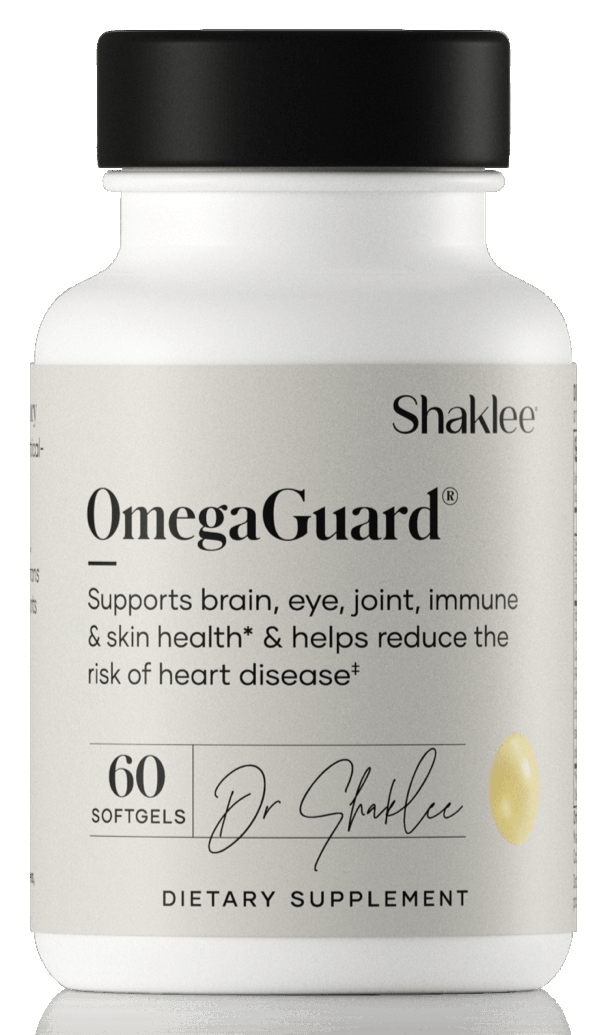 |
Fortunately for us, Shaklee scientists developed the proprietary, state-of-the-art triple molecular distillation process to create the unique OmegaGuard so they could concentrate all 7 of the essential omega-3 fatty acids (including EPA & DHA) in clinically significant dosages, while also removing lead, mercury, arsenic, cadmium, dioxins, PCBs, and other contaminants that pollute our ocans.
We still need an answer:
Why are all those those other fish oil products polluted? AND... why are they all still for sale?
It's because those supplement “manufacturers” simply take the word of their suppliers that their raw materials have been tested for purity. It’s now painfully clear that even the largest manufacturers don’t bother (nor will they invest in) on-site quality control testing,
even though it is required by the FDA.

Shaklee has had no choice but to develop a rigorous process for vetting all their raw material suppliers. Organic farmers are obligated by law to grow their produce following very rigorous procedures, but they are NOT required to test their crops for contaminants, bacteria, pesticides, or heavy metals. Although growers may do everything right while raising their produce, they have no control over the condition of the local water supply, the previous condition of the soil, or the air-borne pollutants that may affect their crops, like from over-sprays from adjacent conventional farms.
When Shaklee contracts with an organic farmer, they send their own scientists to test the soil, as well as the leaves, stems, and root structures of the plants they grow, to determine whether they have been exposed to any type of environmental contaminants. Shaklee also regularly tests for more than 386 different substances in that might contaminate any and every raw material.
How Shaklee Creates A Product
Product development starts at Shaklee by looking for a natural solution to a specific health challenge. Shaklee scientists are charged with making product ingredient decisions using safety as the #1 concern. Let’s look at their process.
When Shaklee’s research and development team (R&D) were considering a natural solution for high cholesterol levels, they started by doing a scientific review of the medical literature on the subject.
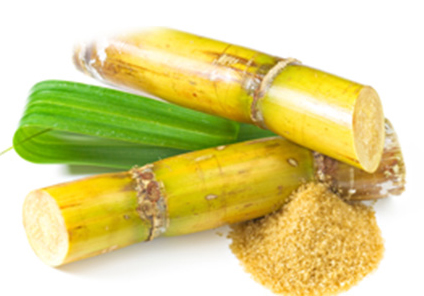 |
A 1994 study reported that policosanol, a waxy substance from sugar cane, appeared to be effective at lowering LDL (bad) cholesterol levels. The statistics from an 8-week trial looked very promising.
[18]
Shaklee decided to repeat their study, but chose to run it for a 12-week trial. Shaklee observed the same results: LDL levels continued to drop, but only for the first 8 weeks. During the 9th week LDL levels began rising again, and by week 12, cholesterol levels were back to their original high levels.
Evidently, policosanol appears to cause a short-term cholesterol reduction, but was unable to sustain that benefit over an extended period of time. And yet, when you look in health food stores, policosanol is STILL being touted for reducing cholesterol levels, based on that flawed 8-week study.
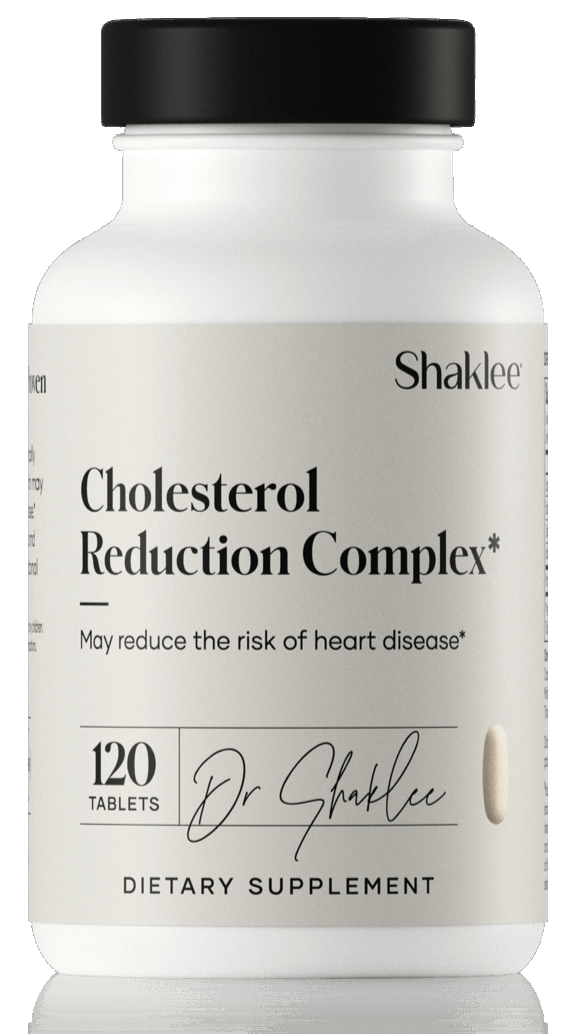 |
Fortunately for us, Shaklee continued their scientific review until they discovered a combination of natural plant sterols and stanols that can effectively block cholesterol absorption in our intestine.
[19]
Thus was born Shaklee’s
Cholesterol Reduction Complex.
The research supporting plant sterols and stanols is now so substantial that the FDA had added cholesterol reduction to its very short list of “health claims” that can be made by a supplement or food.
[20]
How Shaklee Guarantees Purity
Go to Page 3
|
|
|