The Digestion Blues (continued)

The 3 Levels of Digestive Disorder
If the stomach fails at unwinding proteins, or breaking down certain sugars, it puts a huge strain on your intestines. Let’s follow the path our food takes, as it passes through the GI tract, and review the different ways that the process may begin to fail.
|
The First Digestive Failure: Acid Imbalance
|
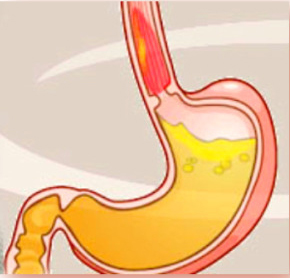
The stomach is an acid-filled cauldron, where the three-dimensional proteins are unraveled, exposing the long strings of amino acids to enzymatic action.
[11]
If there is either too much (hyper) or too little (hypo) stomach acid, the digestive process will begin to falter.
Occasionally, even a healthy gut might experience acid-indigestion, from eating a spicy food or an emotional upset. For those occasional experiences, Shaklee’s
Stomach Soothing Complex
provides a combination of ginger and peppermint oil, which is very soothing to the stomach. It’s also especially helpful for reducing the nausea associated with motion sickness or the morning sickness of pregnancy.
[12]
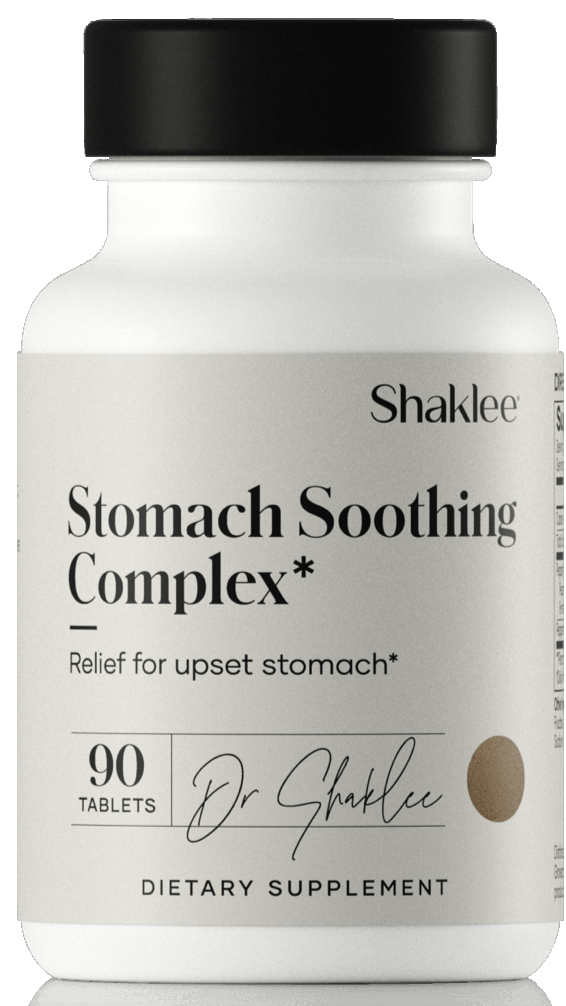 |
SSC also contains anise, a member of the parsley family. It has been used in European herbal medicine for centuries because of its carminative effect (gas reducer). Anise is currently being studied as a treatment for gastric ulcers, because of its healing effect on the lining of the stomach.
[13]
Other research has revealed that anise blocks virus absorption, and may also be an effective antiviral treatment for herpes simplex (types 1 and 2) and human cytomegalovirus (a serious threat during pregnancy).
[14]
A recent study by Norwegian scientists reported on the outcomes of 68,522 pregnancies. Although more than a thousand of those women used ginger to halt morning sickness during their first trimester, there were NO increases in premature births, stillbirths, low birth weights, or low Apgar scores at birth. This study signals that ginger use appears to be perfectly safe during pregnancy.
[15]
 |
Because stress can also be a major contributor to acid imbalance,
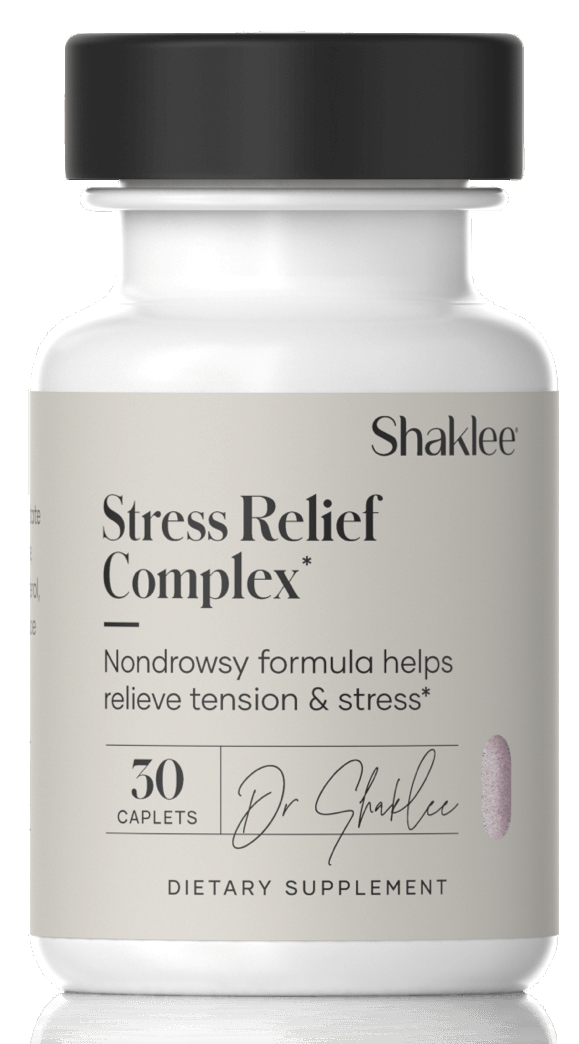
Shaklee’s Stress Relief Complex can provide an additional safe, natural solution for calming the stomach.
SRC contains Ashwaganda (Withania somnifera), an adaptogenic herb that has been used for stress management in Ayurvedic Medicine for more than 2,500 years. A new study by pathologists at the University of Louisville reveals that ashwaganda can prevent immune system depression, which is caused by the elevated cortisol levels produced by chronic stress.
[16]
Earlier studies have tied stress and high cortisol levels with declines in digestive function, glucose intolerance, gastric ulcerations, sexual dysfunction, cognitive deficits, immunosuppression, and mental depression.
[17]
SRC also contains the amino acid L-Tyrosine. Studies by the U.S. Army found that stress depresses key neurotransmitters in the brain, and that supplementation with tyrosine reduced symptoms and performance impairments in service men exposed to repeated stress.
[18]
Several follow-up studies confirmed the relationship between prolonged stress and it’s negative impact on immunity, mood, and digestive function.
[19,
20]
SRC also contains Beta-sitosterol, a natural plant sterol that reduces cortisol levels naturally. SRC also contains L-theanine, an amino acid found almost exclusively in tea plants, which provides relaxation, without promoting sleepiness. L-theanine also appears to contribute to improved memory and enhanced learning abilities, as well as providing a safe calming effect on our emotions.
[21]

Allan Spreen, MD of the Health Sciences Institute, explains that the standard medical management for heartburn and acid reflux (antacids and proton pump inhibitors like Prilosec) actually worsen the condition by inhibiting the cardiac sphincter. This “valve” permits food to enter the stomach, while it also blocks the stomach contents from escaping back into the esophagus. When it is inhibited, by constant use of antacids or PPIs, even low levels of stomach acid may produce gastroesophageal reflux (GERD).
[22]
Go to Page 4
|
|
|