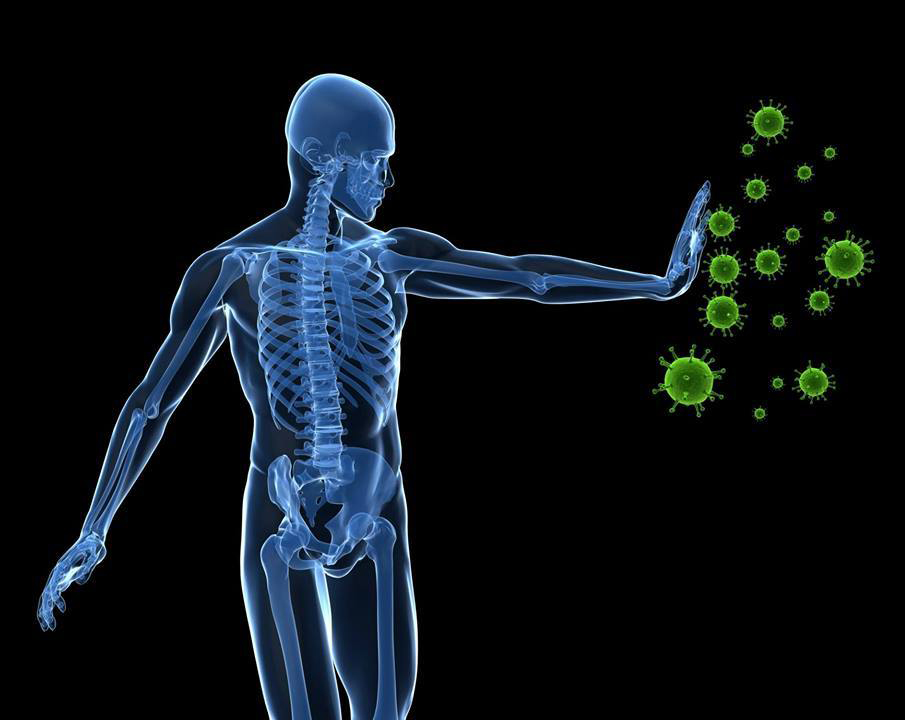
To best understand the natural approach to asthma management, we need to review the immune cells that participate in asthma and allergic reactions, and to also discuss why they over-react to harmless particles in our environment.
The humoral (or blood-based) immune system contains specialized cell that choreograph an amazing array of chemical reactions. To make this process more accessible, let’s use the simple analogy of the judicial system to outline the activities of each immune cell.
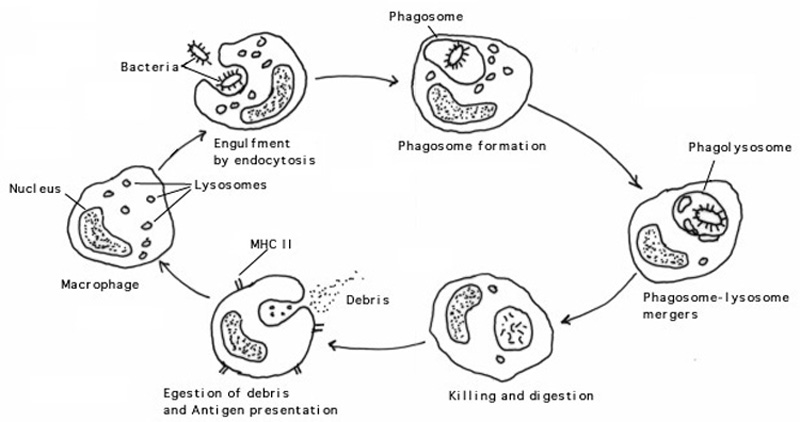
The first cells called to the scene of any allergic response are the Macrophages (or white blood cells). They act like neighborhood policeman, roaming the “streets” of our body, investigating everything they come in contact with. When they detect a criminal “invader”, like a virus or bacteria (referred to as an antigen), they signal T-cells for assistance.
T-cells act like the detectives of the body. They determine if the antigen needs to be “arrested”. If they do, they signal B-Cells, who play the part of the prosecuting attorney.
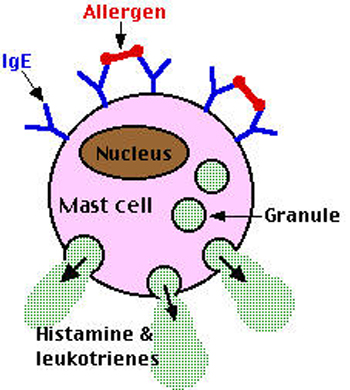
B-Cells then “prepare their case”, by producing specialized proteins called immunoglobins (Ig), which attach to the antigens, just like handcuffs. This helps identify them to the Mast Cells, who play the part of the executioners within the body. Mast cells produce histamine, which destroys the criminals by disrupting their cell membrane.
However, once released, histamine ALSO causes airway constriction in the lungs, over-production of mucous, and system-wide symptoms of pain, swelling, and itching. That’s lot of havoc in the body.
Histamine ALSO stimulates the increased release of stomach acids, as well as an overproduction of the neurotransmitters that cause muscle spasm.
[27]

Immune System Dysfunction
Asthmatic and allergic reactions actually represent a significant failure of immune management. The first failure occurs when white blood cells mistakenly classify harmless allergens as antigens, reacting as though they were disease-producing invaders. The problem snowballs as T-cells stimulate their partner B-Cells to produce Immunoglobin-G, which stimulates Mast Cells to release histamine. But, what causes this immune system failure?
 |
Immune cells are very high maintenance.
They need to operate at very high-metabolic states, enabling them to respond quickly to any attack. Like every other high-activity cell, they must reproduce much more frequently (and accurately) to replace their damaged and exhausted warriors. To fulfill this recurrent demand, we need to have optimum levels of nutrients in our blood at all times. Unhealthy cells tend to over-react.
High cholesterol levels ALSO suppress immune function.
Studies have shown that there is an inverse relationship between cholesterol levels and macrophage potency — the higher your cholesterol climbs, the lower your macrophage function.
[28]
Most snack foods contain the types of fats that convert to cholesterol. LESS is better.
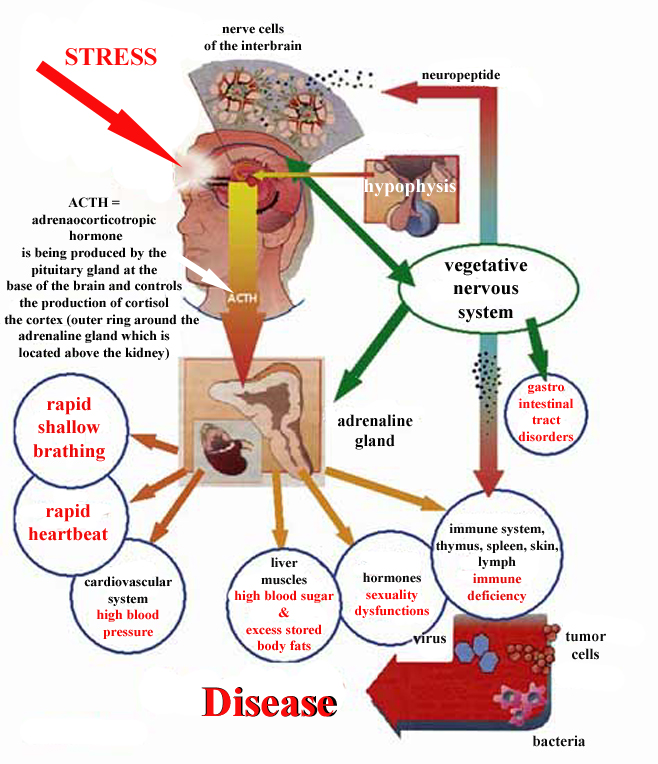 |
Stress may azlso be a major contributor.
Stress-induced decline in health is directly associated with increased production of various stress related hormones.
[29]
Studies investigating the blood levels of couples experiencing marital conflict revealed a direct relationship between high cortisol levels and decreased immune function.
[30]
Schools are now more competitive and stressful than ever. Participation in sports or other outdoor activities can reduce student stress.
Prolonged cortisol release damages every organ system in the body, leading to depressed immune function, memory loss, heart disease, high blood pressure, elevated blood glucose levels, osteoporosis, and also appears to contribute to several other degenerative diseases.
[31]
Things that we eat, drink, and inhale are also able to inhibit immune function. Alcohol, sugar, and second-hand smoke all depress immune cell activity, and clearing them from the body also depletes many nutrients from the blood stream.
[32,
33]
This is the primary reason why supplementation is so important for rebuilding immune competency.
Go to Page 4